
That leather jacket wasn’t on your shopping list. Neither were those earrings. You managed to get both. Fashion retailers rely on impulse buying. Unplanned purchases drive profits and customer contentment.
The Science Behind Spontaneous Shopping
Your brain craves newness. Fresh merchandise hitting the floor gives shoppers a tiny thrill. It’s biological. The reward center in your brain actually responds to novel items the same way it responds to other pleasures. Retailers who rotate stock frequently take advantage of this quirk in human wiring. Mood swings drive spending too. Had a rough week? That new dress might cheer you up. Got a promotion? Those sunglasses become a reward. Shopping becomes emotional regulation. The fashion industry thrives on this connection between feelings and purchasing.
Read More: Silk Press Styles: Elevating Your Look for Special Occasions
Then there’s the crowd effect. See someone snatch the last boots in your size. You suddenly desire them, after passing them earlier. Other shoppers create urgency just by existing. Their full bags make your empty hands feel wrong somehow. Fear plays a part as well. What if this sells out? What if prices jump next week? Fear, irrational or not, drives fast decisions.
Strategic Store Layout Magic
Retailers arrange stores like chess players position pieces. Every rack, every display table has a purpose. Those scarves draped near the register? They’re counting on your boredom while waiting in line. End caps get special treatment for good reason. Products here seem important. Featured. Worth noticing. Your brain interprets this placement as a recommendation, even though it’s really just prime real estate.
Winding paths through the store aren’t poor planning. They’re brilliant strategy. More wandering means more exposure to products. More exposure leads to more “oh, that’s cute” moments. And those moments? They turn into purchases.
Pricing Psychology That Works
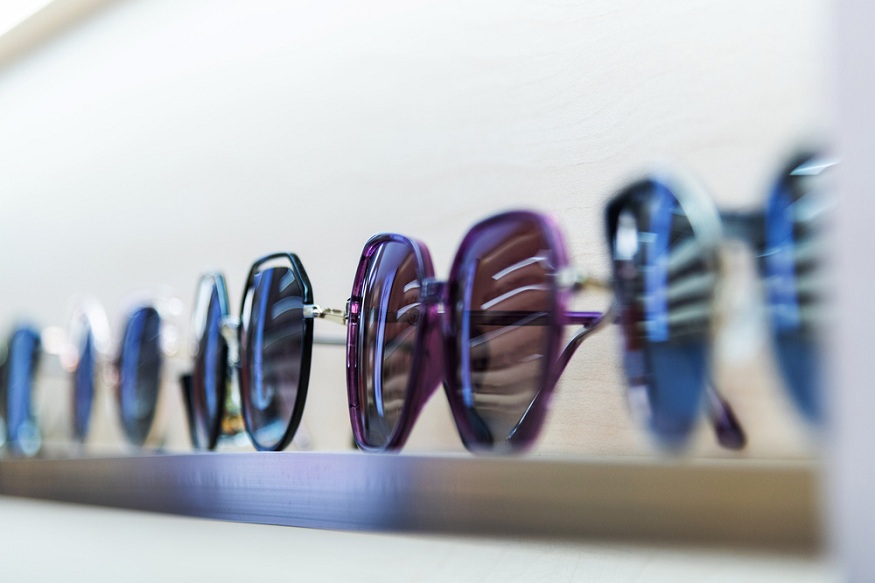
Ten dollars feels like nothing. Ninety feels substantial. Retailers know these mental boundaries and price accordingly. Small accessories hit that “why not?” price point that barely registers as spending. Companies that supply stores understand this game well. OE Wholesale Sunglasses provides retailers with bulk sunglasses priced perfectly for impulse territory. Stack them near registers, price them right, and watch them disappear into shopping bags all day long.
Sales tags create their own urgency. Forty percent off makes people buy things they hadn’t considered at full price. The discount itself becomes the reason to purchase. Logic takes a backseat to the thrill of getting a deal. Multi-buy offers mess with math skills. Buy two, get one free sounds fantastic. Never mind that you only wanted one shirt. Now you’re leaving with three because it seems foolish not to.
Sensory Experiences Seal the Deal
Stores assault your senses deliberately. That music isn’t random. Upbeat tempos make people move and buy faster. Slow songs keep browsers in stores longer. Volume matters too. Too loud annoys. Too soft feels dead. Just right creates energy without stress. Textures matter enormously in fashion retail. Cashmere sweaters practically demand touching. Smooth leather feels expensive. Sequins catch light and attention. Once shoppers touch something, they’re halfway to owning it.
Read More: Discovering the Timeless Elegance for Suits for Womеn and Silk Sarее
Lighting changes everything. Harsh fluorescents make skin look terrible and clothes look cheap. Warm spotlights make everything glow. Good dressing room lighting has saved more sales than any salesperson ever could. Scent works mysteriously but effectively. Fresh linen smell suggests cleanliness and quality. Sweet vanilla creates comfort. These background smells influence mood without shoppers even noticing.
Conclusion
Impulse purchases happen when preparation meets opportunity. Retailers create environments where spontaneous buying feels natural and fun. They understand that shopping involves emotion as much as logic. Maybe more. These unplanned purchases aren’t mistakes or failures of willpower. These arise from complex retail approaches and core human psychology. The shopper-store relationship is mutually beneficial.